What Plumbers Wish Every Homeowner Knew Before Calling Them
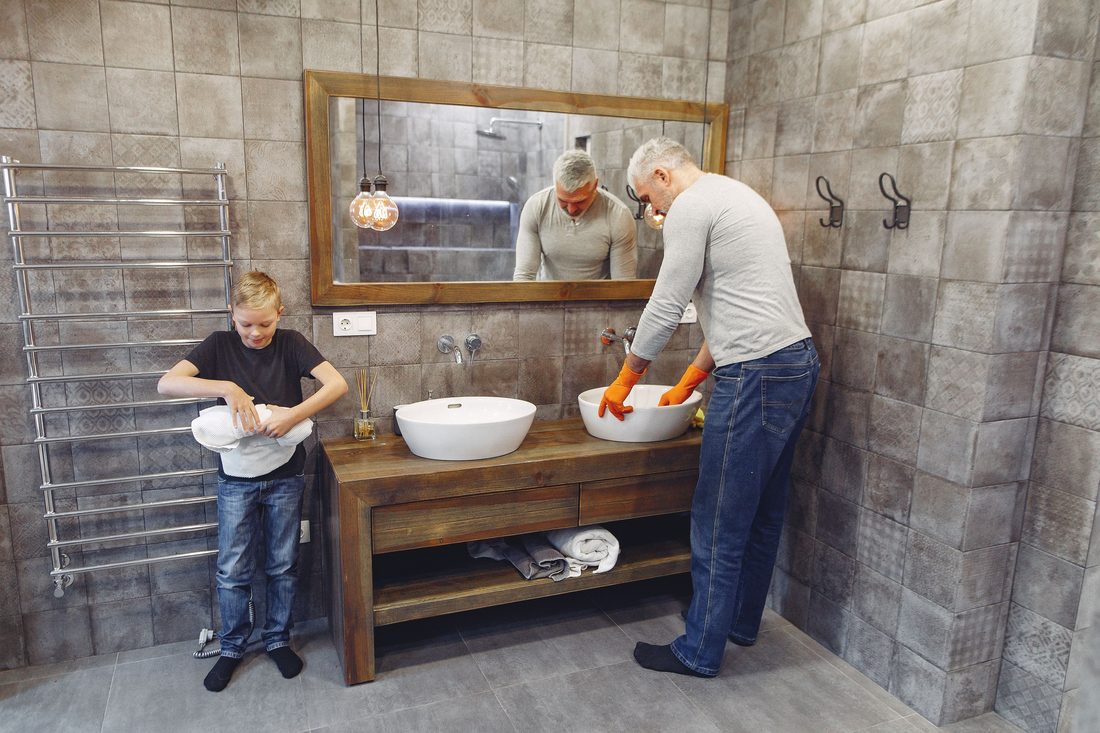
Every plumber has a mental list of things they wish homeowners knew — the small habits that prevent damage, save money, and make the visit faster when they do call. Here's that list, straight. The catch: most of it costs nothing but a little attention.
Homeowners often assume plumbers want the big jobs — the more broken, the better. The good ones don't. A plumber would rather you catch a problem early, know your own shutoff, and not pour something down the drain that makes the visit worse. The job is easier and you pay less. Everybody wins.
It matters because the avoidable stuff is expensive: chemical drain cleaner can corrode pipes and still not clear the clog; a small ignored leak becomes rot and mold; and not knowing where your shutoff is turns a minor failure into a flooded floor while you hunt for the valve.
Here is the reframe: the most useful plumbing knowledge isn't how to fix things — it's how to not make them worse. A handful of habits separates a quick, cheap visit from a demolition job, and none of them require a single tool.
By the end of this you'll be able to:
→ Know the one thing to find today, before any emergency
→ Stop the common moves that turn small problems into big ones
→ Make the plumber's visit faster and cheaper
→ Understand why “small leak” is never actually small
Know your shutoffs before you need them
The key thing to know is… the most important plumbing skill is turning the water off. In a real leak, the minutes you spend finding the valve are gallons on the floor.
Find your main shutoff. Usually in the basement near where the water enters, or near the meter. Know it, and make sure it actually turns.
Know your fixture valves. Each toilet and sink has its own little shutoff. For a running toilet or a sink leak, that's all you need to stop the water and stay calm.
Stop the moves that make it worse
Reality is: most “why is this so expensive now” jobs started with a well-meant mistake.
Put down the chemical drain cleaner. It can eat pipes and seals, often doesn't clear the clog, and leaves a caustic pipe the plumber has to deal with first. Reach for a plunger or a hand snake instead.
Don't over-tighten. Cranking a plastic slip nut or a supply connector cracks it and starts a slow leak. Snug, not gorilla-tight.
Don't ignore a small leak. “Just a drip” under a sink is the start of rot, mold, and a swollen cabinet floor. Small now, expensive later.
Make the call count
In most cases: a two-minute heads-up makes the visit faster and the bill smaller.
Shut the water off first if it's actively leaking, then call. Have the basics ready: what's happening, when it started, the age of the home or fixture, and whether you've already tried anything. Clear access to the sink cabinet, water heater, or shutoff so the clock isn't spent moving boxes.
Do these today — before you ever need a plumber
1. Locate your main water shutoff and confirm it turns.
2. Find the shutoff valve at each toilet and sink.
3. Toss the chemical drain cleaner; buy a $15 hand snake and a good plunger.
4. Fix or report any “small” leak the week you notice it.
5. Keep a note of your home's age and pipe type for when you call.
Where this goes wrong
You learn your shutoff during the flood. That's the most expensive possible time to go looking for it.
You “try one more thing” with chemicals before calling. Now the pro has a caustic pipe to drain before they can even start.
You wait to see if the drip stops on its own. It doesn't — it just moves into the wood you can't see.
The build order
→ First, find and test your main and fixture shutoffs — today, while it's calm.
→ Second, swap chemical cleaners for a plunger and snake.
→ Third, deal with small leaks the week you spot them.
→ Last, when you call, shut off the water and have your details ready.
The bottom line
Plumbers don't wish you were handier — they wish you knew where the water turns off and what not to pour down the drain. Get those right and you'll spend less on us, and call us less often.
Know where the water stops, and half of every plumbing emergency is already over.
Tools you'll need for this job
If you want to do it yourself, here are the tools you'll need:
As an Amazon Associate, SouthCoast Plumbers earns from qualifying purchases.
Tools & parts for this fix
Every homeowner should own these:
As an Amazon Associate, SouthCoast Plumbers earns from qualifying purchases. Prices and availability are set by Amazon.
Need a pro you can trust?
Browse trusted local plumbers across the SouthCoast, compared by customer and peer scores, so the call is easy when you need it.
Find a plumber