Tree Roots in Your Sewer Line: The Backup Hiding Under Older MA Yards
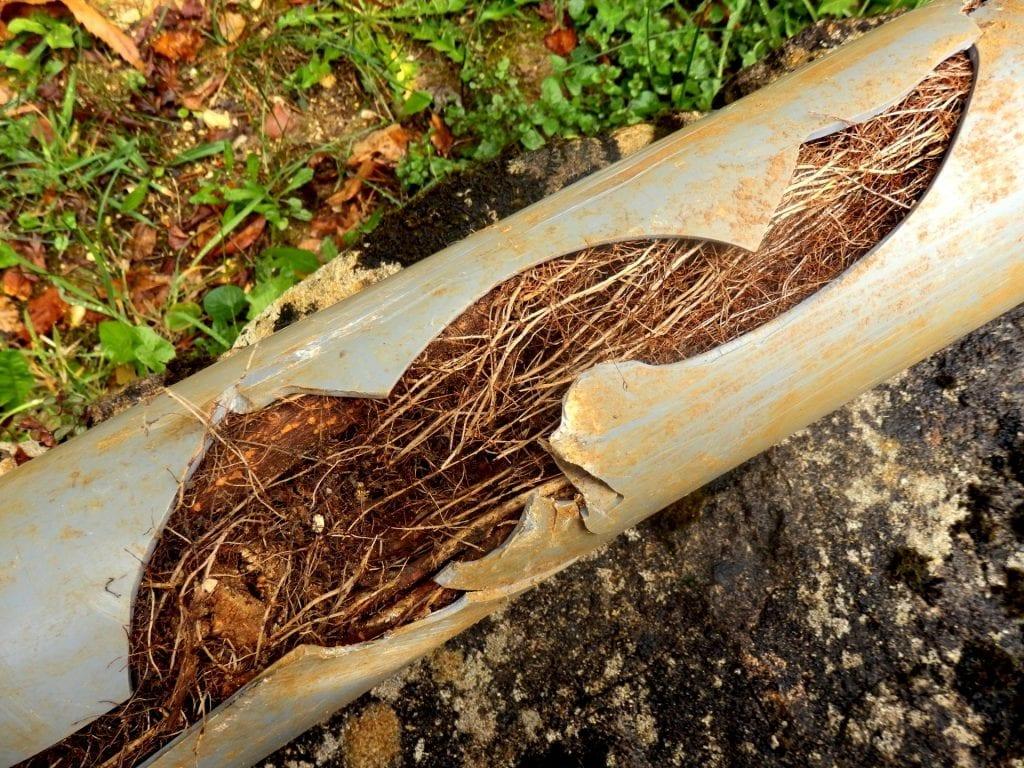
If your toilets gurgle and the same drain backs up every few months, the culprit may be in your front yard. In older Massachusetts neighborhoods full of mature maples and oaks, tree roots are one of the most common sewer-line killers — and they don't attack a healthy pipe. They follow a leak. The catch: clearing the roots once doesn't stop them; they grow right back.
Most homeowners blame backups on what they flushed. In a leafy older suburb, it's often the line itself. A root the width of a hair slips into a hairline crack or a loose clay joint, then thickens into a dense mat that snags everything passing through.
The pattern is regional and predictable. Towns like Newton, Brookline, Lexington, and the older South Shore are full of clay sewer laterals with mortared joints — and big shade trees planted decades ago. Root intrusion is one of the leading causes of sewer blockages nationally, and a full lateral replacement runs $3,000–$25,000 depending on length and depth.
Here is the reframe: roots don't break into pipes — they're invited in. They grow toward the moisture, nutrients, and warmth leaking from an aging joint. The crack comes first; the root just moves in. That's why the real fix is the pipe, not the tree.
By the end of this you'll be able to:
→ Recognize the early signs of root intrusion
→ Understand why older clay lines are the target
→ Know the difference between clearing roots and stopping them
→ Decide when relining or replacement is worth it
The signs you can hear and see
Start here because… roots announce themselves quietly, long before a full backup.
Gurgling toilets and slow whole-house drains. When a toilet bubbles as the tub drains, air is pushing past a partial blockage in the main line — a classic root signature.
Recurring backups on a schedule. A line that clogs every few months, especially in spring when roots grow fastest, points to roots regrowing — not a one-time clog.
The signs in the yard
What you're dealing with is usually… the leak feeding the roots is also feeding your lawn.
Wet or unusually green patches. A lush, soggy strip of lawn over the sewer path means the pipe is leaking nutrients into the soil — the exact thing roots chase.
Sinkholes or depressions over the line. Soil washing into a cracked pipe leaves a dip in the yard — a sign the damage is structural, not just a clog.
The fix: clear, then stop
Reality is: cutting roots buys time; sealing the pipe buys the solution.
Mechanical clearing. A plumber runs a cutter or auger to shear the root mass and restore flow — the emergency fix that gets you draining again.
Hydro-jetting. High-pressure water scours the pipe walls clean of roots and buildup far more thoroughly than a snake — the better reset before any permanent repair.
How a plumber stops it for good
1. Camera inspection: locates the intrusion and shows whether the pipe is cracked, offset, or collapsed.
2. Hydro-jet: clears the root mass and buildup completely.
3. Trenchless relining: an epoxy sleeve cured inside the old pipe seals the cracks roots enter through — no digging up the yard.
4. Spot or full replacement: for collapsed sections, dig-and-replace with PVC that has no porous joints to invade.
5. Preventive jetting: an annual or root-treatment schedule keeps regrowth in check on lines you're not ready to replace.
Where this goes wrong
You just keep snaking it. Each clearing is a temporary truce — roots regrow in months and the backups keep coming and costing.
You ignore the gurgle. Early roots are a cheap jetting job. A collapsed, root-packed lateral is an excavation.
You buy a house without scoping the sewer. A pre-purchase camera inspection in an older tree-lined neighborhood is cheap insurance against inheriting this exact problem.
The build order
→ First, get a camera inspection to confirm roots and find the entry point.
→ Second, hydro-jet to fully clear the line.
→ Third, reline or spot-replace the damaged section so roots lose their way in.
→ Last, set a preventive jetting schedule on any older line you keep.
The bottom line
Roots are a symptom of a leaking pipe, not a random act of nature. Clear them to stop the backup today, but seal the pipe to stop them for good — otherwise you're just mowing a problem that grows back every spring.
Roots don't break in — they're invited by a leak. Fix the invitation, not just the guest.
Backing up every few months?
Browse trusted local SouthCoast plumbers who camera, jet, and reline root-invaded sewer lines — and break the regrowth cycle.
Find a plumber