The Truth About Flushable Wipes (Plumbers Hate This One)
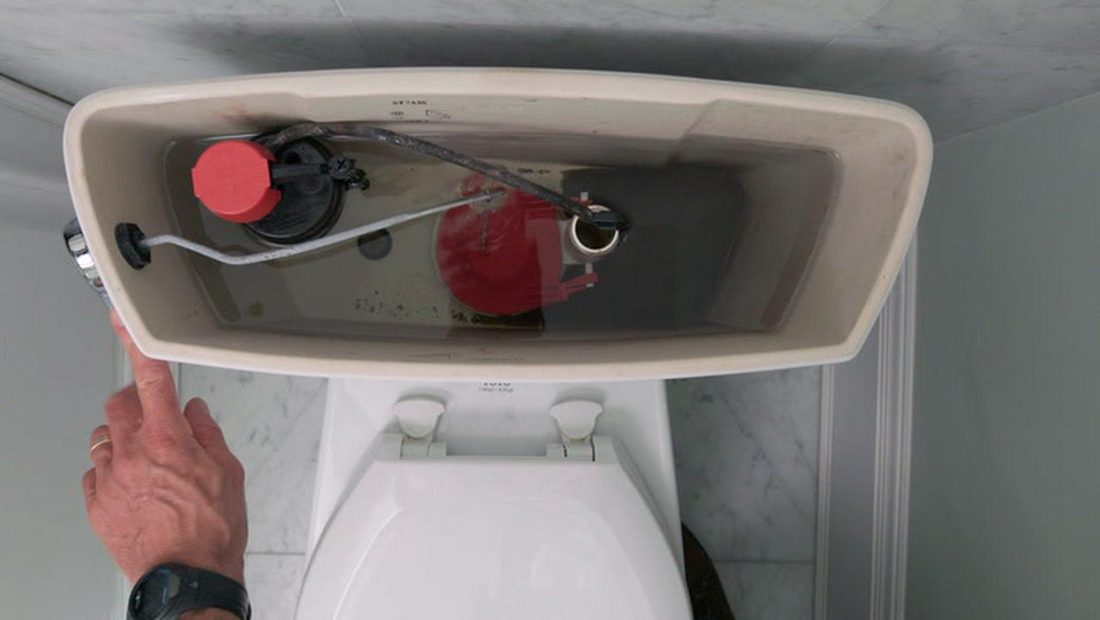
“Flushable” is the most expensive word printed on a wet wipe. They go down fine — and then they don't go anywhere. Wipes are one of the leading causes of clogged lines and backed-up sewers, and the bill lands on you, not the label. Here's the truth plumbers wish were on the package. The catch: the damage happens out of sight, weeks after the flush.
Everyone assumes “flushable” means “breaks down like toilet paper.” It doesn't. The word describes one thing only — that the wipe will clear the bowl. What happens after that, in your pipes and the city's sewers, is a different story entirely.
The scale is real. Wipes are a primary ingredient in “fatbergs” — the congealed masses of wipes and grease that block municipal sewers and cost utilities millions to clear every year. The EPA and water utilities nationwide have run campaigns asking people to stop flushing them. In your home, they snag on any rough spot, root, or bend and build a dam.
Here is the reframe: toilet paper is engineered to fall apart in seconds; a wipe is engineered to stay together while you use it. That durability is the whole problem. The thing that makes a wipe useful is exactly what makes it un-flushable. It doesn't dissolve — it waits.
By the end of this you'll be able to:
→ Understand what “flushable” actually (and doesn't) promise
→ See how a wipe becomes a clog in your line and the sewer
→ Know why older homes are at higher risk
→ Get a simple rule for what's safe to flush
What “flushable” really means
The key thing to know is… “flushable” is a marketing claim, not a plumbing one. It means the wipe leaves the bowl — nothing about what it does downstream.
The dissolve test. Drop toilet paper in a jar of water and shake — it shreds in seconds. Do the same with a “flushable” wipe and shake for a minute; it stays whole. That intact wipe is what travels into your pipe.
It doesn't break down in time. The trip from your toilet to the main is short. The wipe arrives in one piece, ready to catch on anything.
How a wipe becomes a clog
What you're dealing with is usually… one wipe snagging, then catching everything behind it. A clog is rarely a single wipe — it's the dam the first one builds.
It snags on a flaw. A root intrusion, a pipe joint, a bit of old scale — the wipe hangs up there instead of passing.
It collects grease and more wipes. Once one is stuck, grease and the next wipes bind to it. That's a fatberg in miniature, growing inside your own line.
Then it backs up. The first sign is usually a slow or gurgling toilet — and the last sign is sewage on the basement floor.
Why older SouthCoast homes pay first
Reality is: the older your pipes, the more places a wipe can catch.
Older homes — common across New Bedford and the SouthCoast — have aging cast-iron and clay lines with rough interiors, root intrusion, and sags. Each of those is a snag point. A wipe that might survive a smooth, modern line gets caught in an old one, which is why the “it's been fine so far” logic fails right up until it floods.
The only flush rule you need
Flush: pee, poo, and (toilet) paper. That's the list.
Trash, never flush: “flushable” wipes, baby wipes, paper towels, tissues, cotton balls/swabs, dental floss, feminine products, and “flushable” cat litter.
Easy fix: keep a small lidded trash can by the toilet for wipes — it costs less than one drain-cleaning call.
Where this goes wrong
You trust the box. “Flushable” has cost homeowners and cities a fortune; the label is not on your side.
You figure a few won't hurt. Clogs are cumulative — the wipe that backs up the line is sitting on months of the ones before it.
You keep flushing after a gurgle. A gurgling toilet is the line telling you it's already partly blocked — more wipes finish the job.
The build order
→ First, put a lidded trash can by every toilet — the whole fix in one step.
→ Second, tell everyone in the house the flush list: paper only.
→ Third, if toilets gurgle or drain slow, stop flushing wipes immediately.
→ Last, recurring backups in an older home mean it's time for a sewer camera.
The bottom line
“Flushable” means it leaves the bowl, not that it leaves your life. The wipe that disappears today is the clog that reappears next month — in the worst possible place.
Toilet paper is built to vanish. A wipe is built to last. Only one of those belongs in your pipes.
Toilet gurgling or backing up?
That's often a wipe clog building in the line. Browse trusted local SouthCoast plumbers and get it cleared before it backs up.
Find a plumber