
The Silent Plumbing Emergency Happening Inside Your Walls Right Now
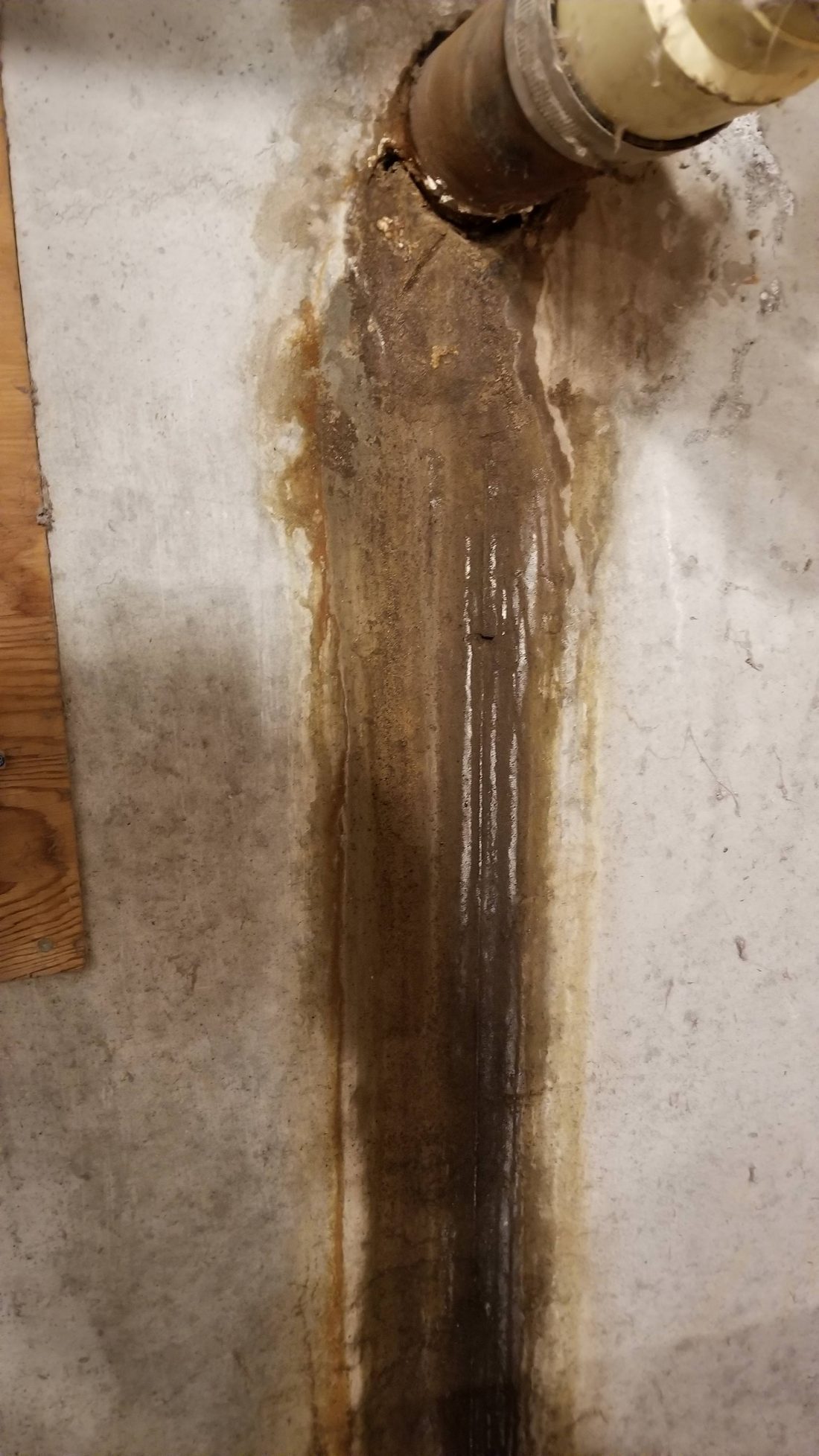
Right now, inside the walls of roughly one in fifty homes, a pipe is leaking that no one knows about. Water damage and freezing are among the most common and costly homeowner insurance claims — and the most expensive ones are silent for weeks. Here's how to hear the emergency before it announces itself. The catch: the nose usually notices before the eyes do.
A plumbing emergency, in most people's minds, is loud and obvious — water on the floor, a ceiling coming down. But the version that does the most expensive damage makes no sound you'd notice. A pinhole in a copper line or a weeping joint behind drywall can run for weeks, soaking insulation, framing, and subfloor before a single drop appears where you can see it.
The scale is real: water damage accounts for a large share of all homeowner claims each year, and a single in-wall leak that goes undetected can mean $500 to $3,000 in repairs once you add drywall, and far more if mold sets in. Mold can begin growing in as little as 24 to 48 hours on wet drywall.
Here is the reframe: the emergency isn't the burst — it's the silence before it. The damage doesn't happen the day the pipe finally fails. It happens during the quiet weeks beforehand, while the leak feeds the wall cavity. Learn to read those weeks, and you turn a demolition job into a small repair.
By the end of this you'll be able to:
→ Recognize the four senses that catch a hidden leak
→ Tell the difference between a cosmetic stain and an active leak
→ Use the meter test to confirm water is escaping
→ Know when to open the wall and when to call
What your nose and ears catch first
Most of the time: a hidden leak is heard or smelled long before it's seen. Your senses are the early-warning system the drywall is hiding the evidence from.
The smell. A persistent musty, damp odor in one room — strongest near a wall or floor — is wet material behind the surface. Trust it even when everything looks dry.
The sound. Quiet the house and listen near walls for a faint hiss, trickle, or drip. A continuous trickle with every tap off is water escaping under pressure.
What your eyes and hands catch next
What you're dealing with is usually… a small visible clue that's bigger behind the surface. By the time the wall shows it, the cavity has held it for a while.
Stains and bubbling. A yellow-brown stain, bubbling paint, or wallpaper lifting at a seam is water wicking through from behind.
Soft or warped spots. Press suspect drywall or baseboard — if it gives, it's saturated. Warped or cupped flooring along a wall is the same story from below.
A warm patch. A hot-water line leaking inside a wall or under a floor warms the surface above it.
Confirm it with the meter
The key thing to know is… you don't have to open a wall to prove there's a leak. Your water meter settles the question in half an hour.
Shut off every fixture and water-using appliance, note the meter, wait, and check again. Movement means water is leaving the system somewhere — and paired with a musty smell or a soft spot, that somewhere is inside a wall.
Run this today — the silent-leak sweep
1. Walk each room and pause to smell near walls and floors, especially in bathrooms and the kitchen.
2. Silence the house and listen at the walls for a hiss or trickle.
3. Press baseboards and drywall low on plumbing walls — note anything soft.
4. Shut off all water, read the meter, wait 30 minutes, read it again.
5. Any movement, smell, or soft spot — have it traced before you repaint or re-caulk over it.
Where this goes wrong
You paint over the stain. Covering the evidence doesn't stop the meter that's still running behind it — it just hides the next repair.
You wait for the drip. The visible drip is the end of a hidden leak's life, not the start. Weeks of damage came first.
You ignore the smell because it looks dry. Drywall can look perfect while the back of it and the insulation behind are soaked.
The build order
→ First, use your nose and ears — free, and they catch what the wall is hiding.
→ Second, press for soft spots and feel for warm patches.
→ Third, run the meter test to confirm an active leak.
→ Last, if it's confirmed, get a plumber to trace and open the wall in the right spot — guessing means extra holes and extra cost.
The bottom line
The most expensive leaks are the quiet ones, and quiet is something you can learn to hear. A musty smell and a moving meter are all the proof you need to act before the wall comes down.
The wall stays quiet until it can't. Listen early, and you fix a pipe instead of a room.
Not sure how bad it is — or who to call?
Browse trusted local plumbers across the SouthCoast with customer and peer scores, and get a real set of eyes on it before a small problem becomes a big one.
Find a plumber