
The Most Expensive Plumbing Emergencies We See in New Bedford Homes
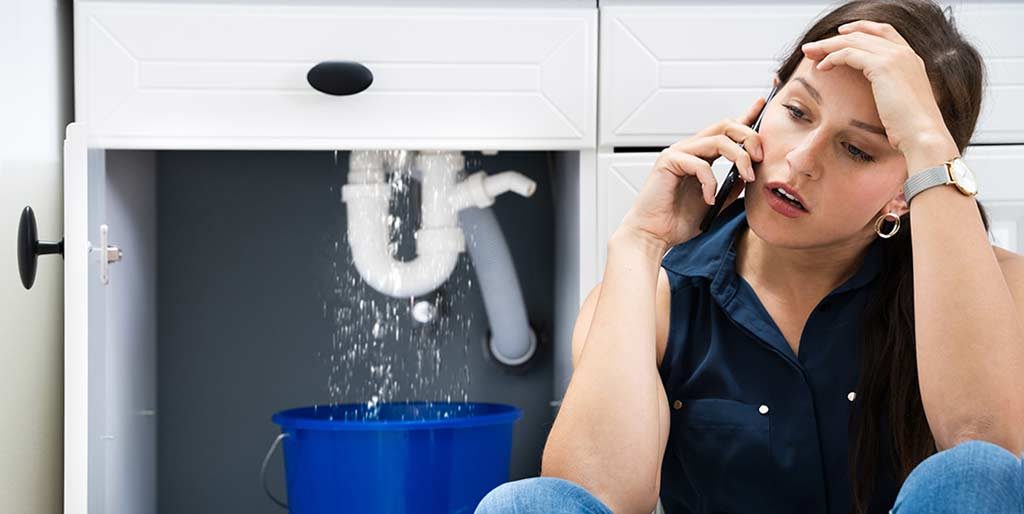
The housing stock around New Bedford skews old — triple-deckers, mill-era cottages, and century homes with plumbing to match. That age is exactly what turns an ordinary repair into the most expensive kind of emergency. Here are the ones we see most on the SouthCoast, and how to get ahead of them. The catch: the cost isn't the part — it's the age of everything around it.
You might assume an expensive plumbing emergency is the same anywhere. It isn't. The bill is shaped by the house, and New Bedford's houses are older than the national average — many built before World War II, plumbed in galvanized steel and cast iron, and packed tightly together. Those facts decide which emergencies are common here and why they cost more.
The baseline numbers are steep enough: a sewer line replacement averages about $3,300 and climbs past $10,000 when it runs under a sidewalk or driveway; a whole-home repipe runs $4,000–$15,000; and a burst-pipe flood adds $1,000–$2,000 in cleanup on top of the fix.
Here is the reframe: in an older home, you're rarely paying to fix one thing — you're paying for sixty years of postponed maintenance arriving at once. The leak is the trigger. The cost is the cast-iron, the galvanized, and the original valves that all reached the end of their life in the same decade.
By the end of this you'll be able to:
→ Know the four emergencies that hit older SouthCoast homes hardest
→ Understand why age multiplies the cost
→ Spot the early signs specific to old-house plumbing
→ Get ahead of them before winter or a sale forces your hand
The drain-side disasters
What you're dealing with is usually… original cast iron and clay that's simply run out of years. These lines were never meant to last a century, and many local homes are asking them to.
Sewer line collapse — ~$3,300 to $10,000+. Old clay and cast-iron mains crack, sag, and fill with roots. The tell: multiple drains backing up at once, or a gurgle in the toilet when the washer drains.
Cast-iron stack failure — four to five figures. The vertical waste stack inside the walls of an old triple-decker rusts through and leaks sewage into the structure. The tell: damp, foul-smelling walls near the bathroom stack.
The supply-side surprises
Reality is: galvanized steel pipe rusts shut and rusts through — and most of New Bedford's old supply lines are exactly that.
Whole-home repipe — $4,000–$15,000. Galvanized lines corrode from the inside until pressure drops and water runs brown. The tell: weak flow, discolored water, and a house that predates the 1970s.
Frozen burst pipe — $400–$1,500 plus cleanup. Pipes run through uninsulated exterior walls and cold basements in old homes, and our winters do the rest. The tell: a faucet that won't flow on the coldest morning.
Why the same repair costs more here
Start here because… access is half the bill in an old, tightly built home. A sewer line under a shared driveway, a stack buried in plaster-and-lath walls, or pipes behind century-old finishes all cost more to reach than to replace.
That's why the early signs matter more here than almost anywhere. Catching a sewer problem while it's a slow backup — not a flooded basement — is the difference between a cleaning and a dig.
Run this today — the old-house check
1. Note your home's era — pre-1970 usually means galvanized supply and cast-iron waste.
2. Run a bath and a sink at once and watch for slow or gurgling drains.
3. Check water color first thing in the morning — brown or rusty points to galvanized decay.
4. Find your main water shutoff and your sewer cleanout, and make sure both actually work.
5. Before winter, insulate any pipe running along an exterior wall or in an unheated basement.
Where this goes wrong
You patch one section of old pipe. Replacing a single rusted length of galvanized just moves the next failure a few feet down the same tired line.
You wait until a sale or a freeze forces it. Emergencies on someone else's timeline — a buyer's inspection, a January cold snap — cost the most and rush the decision.
You don't know where the shutoff is. In a flood, minutes of searching for a stuck valve is gallons of damage.
The build order
→ First, locate and test your main shutoff and sewer cleanout — free, and it limits any emergency.
→ Second, watch for the old-house tells: slow drains, brown water, weak pressure.
→ Third, insulate vulnerable pipes before winter.
→ Last, if you see repeat backups or brown water, get a camera inspection — it's cheap next to a surprise dig.
The bottom line
Old houses are wonderful and unforgiving. The expensive emergencies here aren't bad luck — they're decades of original plumbing all aging at once, and they signal before they fail. On the SouthCoast, the homeowners who watch for the tells pay for repairs; the ones who don't pay for digs.
In an old house, the pipe doesn't fail without warning — it just fails without an audience. Be the one watching.
Not sure how bad it is — or who to call?
Browse trusted local plumbers across the SouthCoast with customer and peer scores, and get a real set of eyes on it before a small problem becomes a big one.
Find a plumber