
How to Fix Low Water Pressure in Your House
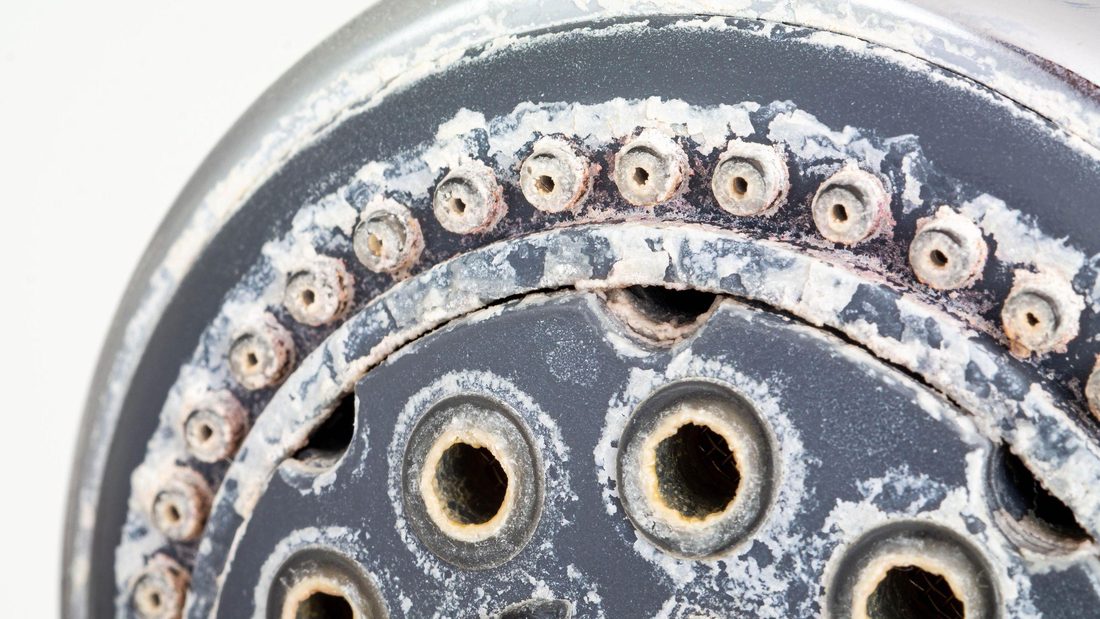
A weak shower feels like a plumbing problem you can't touch. Usually it's a clogged screen you can clean in two minutes. Healthy home pressure runs 40–80 PSI — and the fix depends entirely on one question you can answer before touching a tool.
People assume low pressure means tired old pipes and an expensive repipe. Sometimes. But far more often it's mineral scale on an aerator, a shut-off valve someone left half-closed, or a single failing valve — none of which require opening a wall. On the SouthCoast, hard water is the usual suspect: calcium and magnesium build up and choke the flow at the fixtures first.
The reframe: low pressure isn't one big problem — it's a question of "where." One fixture or the whole house? That single answer splits every cause into two short lists. Answer it first and you've already done the hard part of the diagnosis.
By the end of this you'll be able to:
→ Split the problem into "one fixture" vs "whole house"
→ Clean the parts that fix 80% of single-fixture cases
→ Check the two valves that quietly throttle a whole home
→ Follow the one rule: find the cause before you "boost" anything
Tools you'll need for this job
If you want to do it yourself, here are the tools you'll need:
As an Amazon Associate, SouthCoast Plumbers earns from qualifying purchases.
Phase 1 — Ask "where" first
The key thing to know is… the location of the weak flow is the diagnosis.
Test three fixtures, hot and cold. Run a bathroom sink, the shower, and the kitchen faucet. One weak fixture = a local clog. Everything weak = a valve, a regulator, or a supply issue. Watch-out: if only the hot side is weak everywhere, that points to the water heater, not the pipes.
Phase 2 — If it's one fixture
In most cases: single-fixture pressure loss is almost always a clogged screen, and screens clean for free.
Clean the aerator. Unscrew the little tip of the faucet, rinse the screen, and soak it in vinegar to dissolve scale. The fix is two minutes and zero dollars.
Soak the showerhead. Bag it full of white vinegar overnight, or unscrew it and soak, to clear mineral buildup in the nozzles.
Check appliance inlet screens. A washer or dishwasher filling slowly often has a sediment-clogged inlet screen — clean it per the manual.
Phase 3 — If it's the whole house
Start here because… whole-house pressure runs through a few chokepoints — check them before assuming the worst.
Fully open the main shut-off valve. After any plumbing work or a recent move, this valve is often left partly closed, throttling the entire house. Open it fully. This one's free and surprisingly common.
Test pressure with a gauge. A $10 gauge screws onto an outdoor hose bib. Below 40 PSI across the house points to the supply, the pressure-reducing valve (PRV), or a buildup/leak problem. Watch-out: a failing PRV often reads as pressure that swings or fades — that's a pro adjustment, not a DIY one.
The 3-question triage
1. One fixture or all of them? → clean screens, or check valves.
2. Hot only? → suspect the water heater (sediment).
3. Did it drop suddenly? → check the main valve, then look for a leak (wet spots, a meter that moves with everything off). A sudden drop is a warning sign, not a nuisance.
Where this goes wrong
You buy a pressure booster first. If a hidden leak is the cause, boosting pressure makes the damage worse. Find the cause before you add force.
You ignore a sudden drop. Gradual decline is usually buildup. A sudden drop can mean a main-line leak — wet patches, stains, or a water meter ticking with everything off all say call now.
You yank the showerhead flow restrictor. It may bump one shower but won't fix a real pressure problem, and removing it can violate local code.
The build order
→ First, test three fixtures to locate the problem — free, two minutes.
→ Second, clean aerators and showerheads — fixes most single-fixture cases.
→ Third, fully open the main valve and read a gauge.
→ Last, if the whole house reads low, pressure swings, or you suspect a leak or a failing PRV, bring in a plumber.
The bottom line
Low pressure isn't a mystery — it's a "where." Pin down one fixture versus the whole house, clean the cheap stuff, check the valves, and you'll solve most of it before anyone gets a wrench dirty.
One fixture is a clog. The whole house is a valve. A sudden drop is a leak. Find the where, then fix the what.
Tools & parts for this fix
Restore the flow with:
As an Amazon Associate, SouthCoast Plumbers earns from qualifying purchases. Prices and availability are set by Amazon.
Whole house reading low, or pressure that swings?
That's a regulator or supply-line job. Browse trusted local plumbers on the SouthCoast with customer and peer scores.
Find a plumber