
How to Fix a Leaky Faucet and Stop the Drip for Good
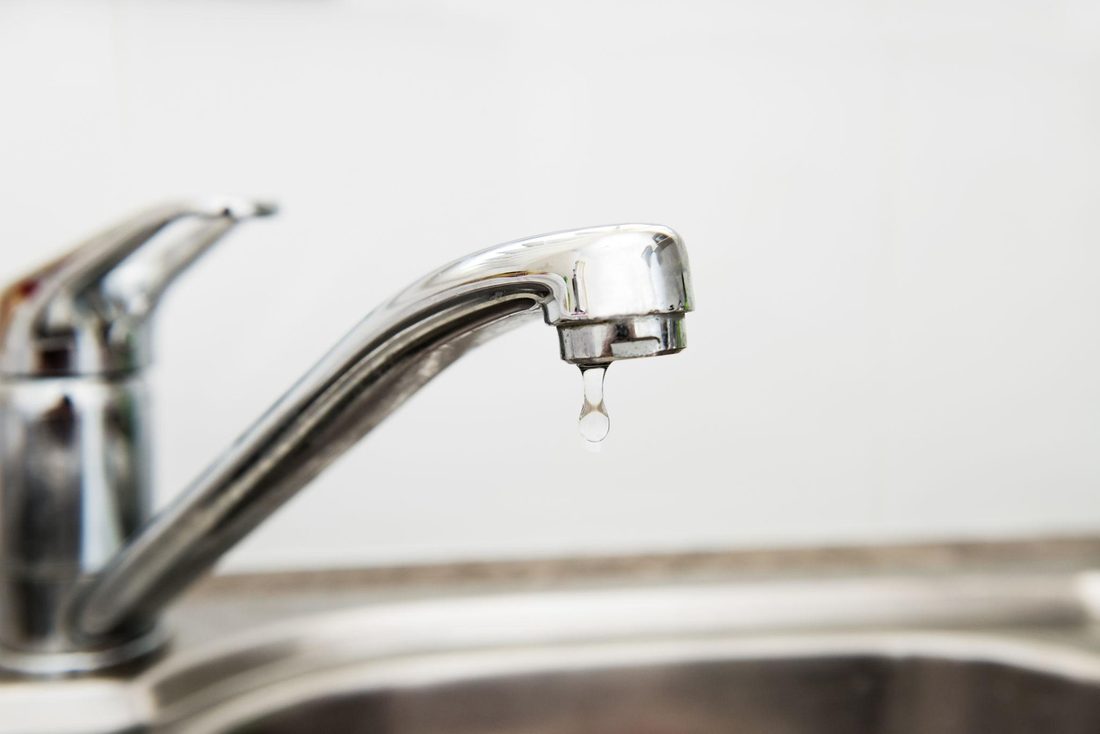
That drip you've learned to ignore wastes more than 3,000 gallons a year — the water for over 180 showers. The fix is almost always a worn part that costs a few dollars. The one catch: you have to shut the water off first, and most people don't.
People think a leaky faucet means the faucet is shot and it's time for a new one. It almost never is. A faucet is a simple valve, and the part that wears out — a washer, an O-ring, a cartridge — is small, cheap, and made to be replaced. The EPA puts the average household's leaks at around 10,000 gallons a year, and fixing them trims about 10% off a water bill. This is the rare repair that pays you back.
The reframe: the leak didn't break your faucet — it told you which part inside wore out. Your only real job is figuring out which of the four faucet types you have, because that tells you which part to buy. Get that right and the repair is fifteen minutes with a screwdriver.
By the end of this you'll be able to:
→ Identify your faucet type — the whole job hinges on this
→ Replace the worn part that's actually leaking
→ Follow the one rule that prevents a flood: water off, drain plugged
→ Know when the faucet really is done and worth replacing
Tools you'll need for this job
If you want to do it yourself, here are the tools you'll need:
- Faucet repair / O-ring & washer assortment kit
- Replacement faucet cartridge (Moen/Delta/Kohler)
- Plumber's silicone grease
- PTFE / plumber's thread tape
- Adjustable & basin wrench set
As an Amazon Associate, SouthCoast Plumbers earns from qualifying purchases.
Phase 1 — Shut down and identify
Rule of thumb: every faucet repair starts the same way, and skipping it floods the cabinet.
Shut off the water. Turn the two valves under the sink clockwise until they stop. No valves? Use the home's main shut-off. Watch-out: drop a rag or the stopper over the drain so a dropped screw doesn't disappear down it.
Name your faucet. There are four kinds: compression (separate hot/cold handles you screw down tight), and three "washerless" single-handle types — ball, cartridge, and ceramic-disc. The repair kit is sold by type, so match it before you buy.
Phase 2 — Open it up and read the wear
The key thing to know is… the leak location tells you the worn part. Dripping from the spout means the seal that stops flow is worn. Leaking around the base of the handle means an O-ring is worn.
Compression faucet, spout drip: pop the handle cap, unscrew the handle, and replace the rubber seat washer at the bottom of the stem. The fix is a 25-cent washer.
Cartridge or ceramic-disc, spout drip: pull the old cartridge straight up and drop in the matching replacement. Watch-out: bring the old one to the store — "Moen" or "Delta" isn't enough; cartridges vary by model.
Leak at the base: replace the O-rings around the spout body and coat the new ones with plumber's grease so they seat and last.
Phase 3 — Reassemble and test
Reality is: most "still leaking" callbacks are reassembly mistakes, not bad parts.
Rebuild in reverse, snug not gorilla-tight. Reseat parts in the order they came out. Turn the water back on slowly and let it run a few seconds to clear air and debris before you judge the result. Watch-out: a faint drip that fades over a minute is just trapped water — give it time before you reopen everything.
The hardware-store checklist
Before you drive over, take with you:
1. Your faucet type (compression / ball / cartridge / ceramic-disc).
2. The old part itself — washer, cartridge, or O-rings.
3. The faucet brand and model if you have it.
4. A small tube of plumber's grease and a roll of plumber's (PTFE) tape.
One trip instead of three.
Where this goes wrong
You don't shut the water off. The fastest way to turn a $5 repair into a flooded vanity. Always valves-first.
You guess the cartridge. Same-looking faucets take different cartridges. Buying by sight instead of bringing the old part is the number-one wasted trip.
You overtighten everything. Cranking handles and nuts crushes the new washers and O-rings you just installed — and the drip comes right back.
The build order
→ First, shut the water and plug the drain — free, non-negotiable.
→ Second, identify the type and pull the old part — the step that decides everything.
→ Third, swap the matching part and grease the seals.
→ Last, if the valve body itself is corroded, the leak is under the sink (not at the faucet), or the faucet is decades old, replace the fixture or call a pro.
The bottom line
A dripping faucet isn't broken — it's worn, in one small, cheap, replaceable spot. Match the part, keep the water off, and don't overtighten. That's the entire job.
The faucet isn't the problem. The worn part is. Replace the part, not the faucet.
Tools & parts for this fix
Grab these before your hardware run so it's one trip, not three:
- Faucet repair / O-ring & washer assortment kit
- Replacement faucet cartridge (Moen/Delta/Kohler)
- Plumber's silicone grease
- PTFE / plumber's thread tape
- Adjustable & basin wrench set
As an Amazon Associate, SouthCoast Plumbers earns from qualifying purchases. Prices and availability are set by Amazon.
Leak coming from under the sink, not the spout?
That's a supply-line or valve issue worth a pro's eyes. Browse trusted local plumbers on the SouthCoast with customer and peer scores.
Find a plumber