
Boiler & Hydronic Heating Problems Every Massachusetts Homeowner Should Know
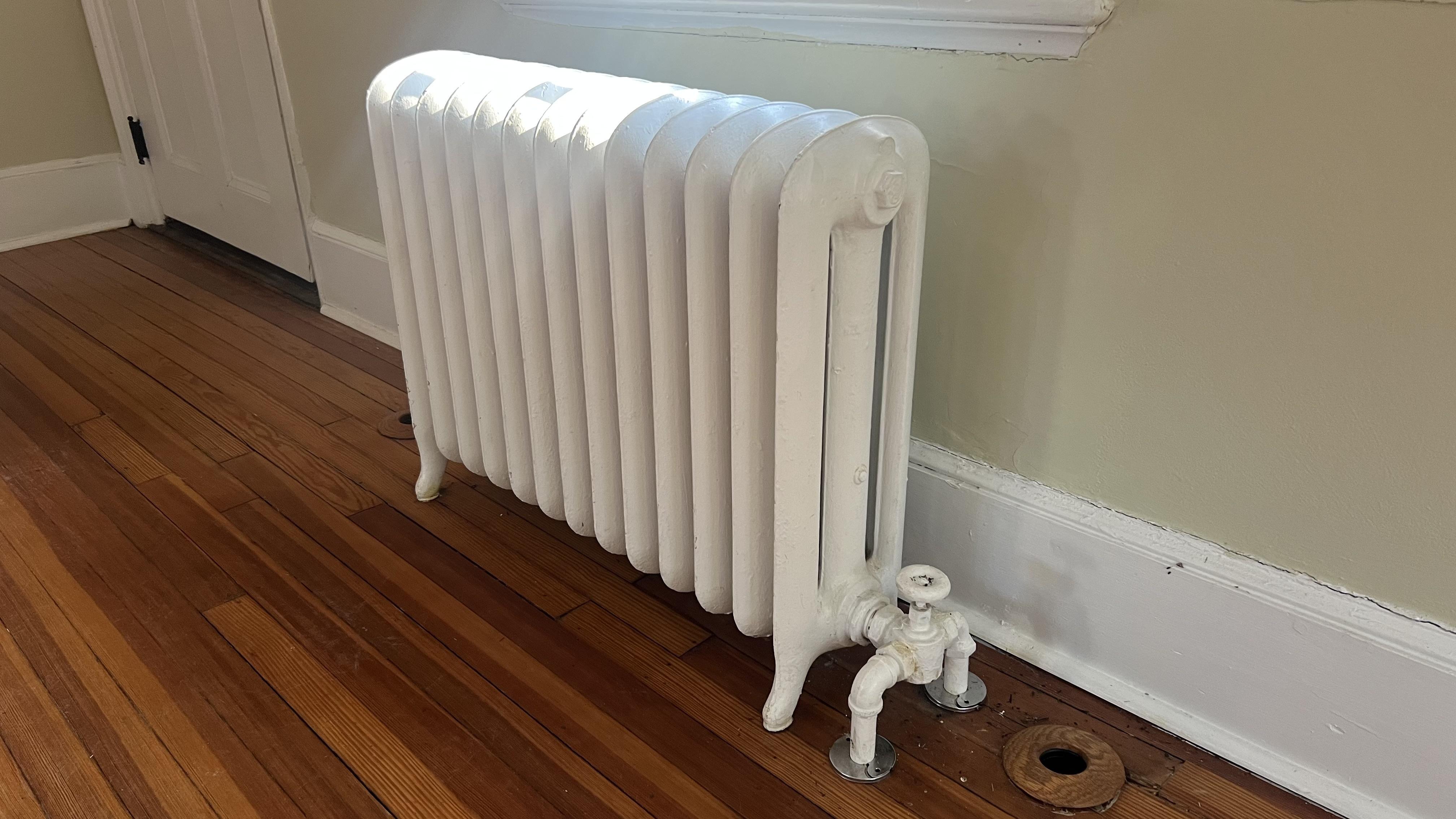
Most of the country heats with forced air. Massachusetts heats with water. Boilers, baseboard, and radiators are everywhere here — and they fail in ways a furnace never does. A cold room often isn't a dead boiler; it's air, water, or pressure misbehaving in the loop. The catch: most of these are small parts, caught early, or big repairs, caught late.
Homeowners new to hydronic heat assume “no heat” means “broken boiler.” Usually it doesn't. A hydronic system is a sealed loop of moving water under pressure, and when one cold spot or one drip shows up, it's pointing at a specific, fixable part — not a dead system.
The regional reality: New England has one of the highest rates of boiler-based heating in the country, including plenty of steam systems and baseboard hydronic setups. Many run 20–30 years, and a full boiler replacement lands around $5,000–$12,000+ — which is exactly why catching the small failures pays off.
Here is the reframe: a cold room is rarely a dead boiler — it's a message about the loop. Air can't carry heat, water that won't circulate can't deliver it, and pressure that's off makes both worse. Learn to read which one it is, and most “heating emergencies” become a part and an hour.
By the end of this you'll be able to:
→ Tell an air problem from a circulation problem
→ Recognize a failing expansion tank or relief valve
→ Know which fixes are simple and which are urgent
→ Keep the system healthy with seasonal service
The air problems
Start here because… air in the loop is the most common reason a room goes cold.
Air-locked heating loops. Air trapped in a zone blocks hot water from reaching the baseboard — cold rooms while others stay warm. Bleeding the air or purging the zone restores the flow.
Banging or gurgling pipes. Knocking and gurgling in the loop usually means air or trapped water moving where it shouldn't — a sign the system needs bleeding or balancing.
The circulation problems
What you're dealing with is usually… water that isn't moving the way it should.
Failed circulator pump. The circulator is what pushes hot water through the loop. When it fails, a whole zone goes cold even though the boiler is firing — a common, replaceable part.
Stuck zone valves. A zone valve that won't open leaves its rooms cold while the rest of the house heats — an isolated, fixable failure, not a boiler problem.
The pressure problems
Reality is: a hydronic system lives and dies by its pressure — and two parts manage it.
Waterlogged expansion tank. The expansion tank absorbs the pressure swing as water heats. When it fails, pressure spikes — and that's what pushes the next part over the edge.
Leaking pressure relief valve. A relief valve dripping onto the floor is usually the symptom of high pressure from a bad expansion tank — not a part to just cap, but a warning to fix the cause.
Keep a hydronic system healthy
1. Bleed the radiators/baseboard at the start of each heating season to clear trapped air.
2. Watch the boiler pressure gauge: most residential systems sit around 12–15 psi cold — rising or falling pressure is your early warning.
3. Check for drips at the relief valve and around the circulator — a small leak now beats a flooded boiler room later.
4. Listen each fall: banging, gurgling, or a cold zone means call before the cold snap, not during it.
5. Book an annual service: a pro checks the expansion tank, circulator, valves, and combustion before winter.
Where this goes wrong
You cap a dripping relief valve. That valve is a safety device — the drip means pressure is too high, and silencing it instead of fixing the cause is dangerous.
You ignore one cold room. A trapped air zone or stuck valve is a quick fix early; ignored, it masks a dying circulator or pressure problem.
You skip the fall service. Hydronic systems fail on the first hard freeze — the worst possible time to find a dead circulator.
The build order
→ First, bleed the air and check the pressure gauge — free, and it cures the most common cold-room cause.
→ Second, isolate the failure: whole zone cold points to a circulator or zone valve.
→ Third, address pressure parts — a dripping relief valve usually means the expansion tank.
→ Last, book annual service so small parts get caught before winter sets the schedule.
The bottom line
Hydronic heat is reliable and comfortable — but it's a pressurized loop of moving water, and it fails in its own New England way. Read the loop — air, circulation, or pressure — and most cold rooms turn into a small part instead of a December emergency.
A cold room is a message, not a death sentence. Read the loop, fix the part, keep the heat.
Cold rooms or a dripping boiler?
Browse trusted local SouthCoast plumbers who know hydronic and steam systems — circulators, zone valves, expansion tanks, and all — and service them before winter.
Find a plumber